

Dental Bonding in South Euclid, OH
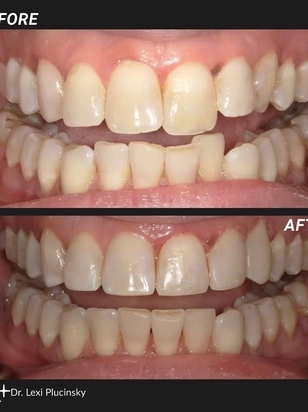
Dental bonding is a conservative cosmetic treatment used to repair or improve the appearance of chipped, cracked, gapped or uneven teeth. At University Suburban Dental, our dentist provides dental bonding in South Euclid, Ohio, using tooth-colored composite resin that is shaped directly onto the tooth to create a natural-looking result.
Call 216-381-6521 to schedule a consultation with Dr. Lexi Plucinsky and find out whether dental bonding may be right for your smile.
What Is Dental Bonding?
Dental bonding uses tooth-colored composite resin to reshape or restore selected areas of a tooth. The material is applied directly to the tooth, sculpted to improve its appearance and then hardened and polished.
Because bonding can often be completed with little or no removal of natural tooth structure, it may be a conservative option for certain cosmetic concerns.
What Can Dental Bonding Improve?
Dental bonding may be used to address concerns such as:
- Chipped teeth
- Small cracks or worn edges
- Gaps between selected teeth
- Uneven or misshapen teeth
- Certain areas of discoloration
- Minor cosmetic asymmetries
Dr. Plucinsky will evaluate your teeth and cosmetic goals to determine whether bonding is appropriate for the changes you want to make.
Benefits of Dental Bonding in South Euclid, OH
Dental bonding is often chosen because it can improve the appearance of a tooth while preserving much of the existing tooth structure.
Potential benefits may include:
- Minimal alteration of natural tooth structure
- Tooth-colored material designed to blend with your smile
- Ability to reshape or rebuild selected areas of a tooth
- A relatively straightforward cosmetic treatment process
- Customization based on your tooth shape and shade
How Does the Dental Bonding Process Work?
Your appointment begins with an evaluation of the tooth or teeth being treated. Dr. Plucinsky will discuss the concern, select an appropriate composite shade and explain what kind of improvement may be realistic.
The bonding process may include:
- Preparing the tooth surface as needed
- Selecting a composite resin shade that blends with your natural teeth
- Applying the bonding material to the tooth
- Shaping and sculpting the material
- Hardening the resin
- Trimming and polishing the finished restoration
The exact steps depend on the tooth and the type of correction being made.
Can Dental Bonding Be Completed in One Visit?
Dental bonding is often completed in a single appointment, especially when only one or a few teeth are being treated. More involved cases may require additional planning or treatment.
Dr. Plucinsky can explain the expected timeline after evaluating your smile.
Does Dental Bonding Require Anesthesia?
Some bonding procedures require little or no anesthesia, particularly when treatment is limited to the outer surface of the tooth. If the tooth is damaged, sensitive or requires additional preparation, anesthesia may be recommended for comfort.
Dental Bonding vs. Dental Veneers
Both bonding and dental veneers can improve the appearance of teeth, but they use different materials and treatment approaches.
Bonding uses composite resin placed directly onto the tooth, while veneers are custom restorations that cover the front surface. Bonding may involve less tooth preparation in some cases, while veneers may be considered when a more extensive cosmetic change is needed.
Dr. Plucinsky can help you compare the options based on your tooth structure, goals and long-term needs.
Dental Bonding vs. Bioclear
Bioclear also uses tooth-colored composite material, but it involves a specific technique for shaping and adapting the material around the tooth.
The better option depends on the type of cosmetic concern, how much reshaping is needed and the condition of the tooth.
Can Dental Bonding Whiten a Tooth?
Bonding can cover certain areas of discoloration by placing tooth-colored composite over the affected surface. However, bonding does not whiten natural tooth structure the way teeth whitening does.
If discoloration is your main concern, Dr. Plucinsky can help determine whether whitening, bonding or another cosmetic treatment is more appropriate.
How Long Does Dental Bonding Last?
The lifespan of dental bonding varies depending on the tooth being treated, your bite, oral habits and how well you care for the restoration.
Bonding material can wear or chip over time, so regular dental care and avoiding habits that place excessive force on the teeth can help protect the result.
How Do I Care for Bonded Teeth?
Bonded teeth should be cared for much like your natural teeth. Brush and floss regularly, maintain professional dental cleanings and exams and avoid using your teeth to open packages or bite hard objects.
If you clench or grind your teeth, Dr. Plucinsky may recommend a night guard to help protect your teeth and restorations.
Can Dental Bonding Be Part of a Smile Makeover?
Yes. Dental bonding may be used as part of a customized smile makeover when several cosmetic concerns are being treated together.
Depending on your goals, bonding may be combined with whitening, veneers, clear aligners or other cosmetic dentistry services.
Schedule a Dental Bonding Consultation in South Euclid, OH
If chipped, gapped, discolored or uneven teeth are affecting the appearance of your smile, dental bonding may provide a conservative option worth considering. Our dentist can evaluate your teeth and help you compare bonding with other cosmetic treatments.
Contact our office or call 216-381-6521 to schedule a consultation for dental bonding in South Euclid, Ohio.
Dental Bonding FAQs
What is dental bonding used for?
Dental bonding may be used to repair chips, close small gaps, reshape uneven teeth, cover certain discolorations and improve minor cosmetic imperfections.
How long does dental bonding last?
The lifespan varies depending on the location of the bonding, your bite, oral habits and how well you care for it. Bonding may eventually need repair or replacement.
Does dental bonding hurt?
Many bonding procedures involve little or no discomfort, especially when minimal tooth preparation is needed. Anesthesia may be used if treatment involves a sensitive or damaged area.
Can dental bonding close gaps between teeth?
Bonding may be used to close certain small spaces between teeth by adding and shaping composite material. Dr. Plucinsky can determine whether bonding is appropriate for the size and location of your gap.
Can dental bonding fix chipped teeth?
Yes, bonding may be used to rebuild selected chipped or worn areas of a tooth. The best treatment depends on the amount of damage and the condition of the remaining tooth structure.
Is dental bonding better than veneers?
Neither option is automatically better for every patient. Bonding may be more conservative in some cases, while veneers may be considered when a more extensive cosmetic change is needed.
Does dental bonding stain?
Composite resin can develop surface staining over time depending on diet, oral habits and maintenance. Regular dental care can help keep bonded teeth looking their best.
How do I know if dental bonding is right for me?
A consultation is the best way to determine whether bonding fits your needs. Contact our office or call 216-381-6521 to schedule an evaluation with our dentist.

We’re Ready to See You
Our dentist and team are excited to help you enjoy a healthier, happier and more confident smile. We are committed to providing personalized care that addresses your unique needs and helps you achieve your best smile. Contact us today to schedule your visit with our talented dentist in South Euclid, Ohio!
Call Us at 216-381-6521
The Home for Your Smile
Your destination for a healthy smile can be found at University Suburban Dental. Give us a call now to learn more about our many dental services and find out how we can help you achieve your smile goals! Our team is ready to guide you through every step of your dental journey with care, expertise and a personal touch.
Get Directions